November 3, 2025
Federal Workers' Union Chief Urges Democrats to End Shutdown Amid Historic Stalemate
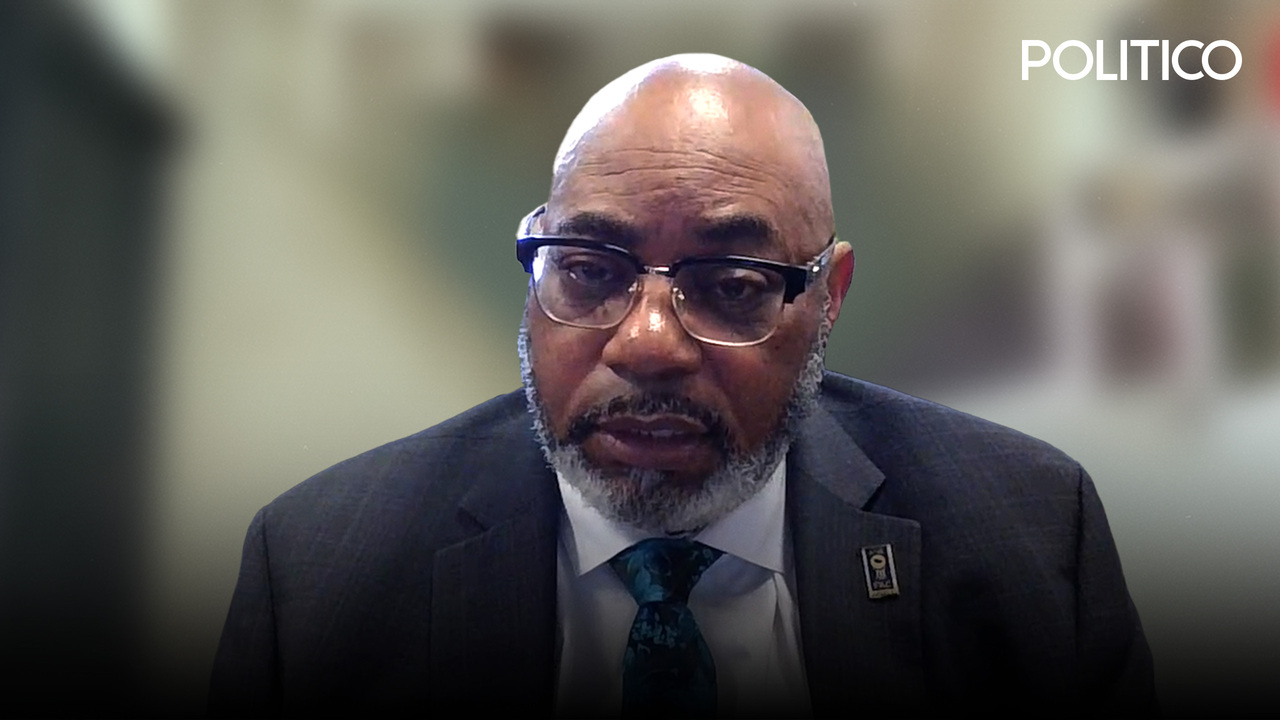
In a pivotal move, Everett Kelley, president of the American Federation of Government Employees (AFGE), has engaged with top Democratic leaders in Congress, advocating for an end to the ongoing government shutdown. During a revealing interview with POLITICO's Dasha Burns, Kelley disclosed his discussions but refrained from detailing personal conversations. “I won't get into individual conversations, but they're very well aware of why I've taken the stance that I've taken,” he stated, emphasizing the urgent need for action.
The AFGE, representing more than 800,000 federal employees, recently urged Democrats to support a Republican-led temporary funding solution to reopen the government. This appeal has intensified the debate within the Democratic ranks, as they grapple with the political repercussions of the shutdown. The union’s position has sparked widespread speculation about the Democrats' strategy moving forward and whether they will accede to the mounting pressure.
Amidst these discussions, bipartisan Senate talks aim to break the deadlock, although no resolution is expected before the government sets a new record for the longest shutdown in U.S. history this Tuesday. Central to the discussions is a contentious health care deal, which Senate Democrats insist must be part of any agreement to lift the shutdown.
Last week, Senate Minority Leader Chuck Schumer responded to Kelley's pressing concerns with a reassuring, “we can do both," indicating a dual focus on both securing health care reforms and addressing the needs of federal workers. Despite the tense backdrop, Kelley remains hopeful about maintaining a positive relationship with Democratic leaders. “Hopefully we are still friends and we're still allies," he remarked, reflecting on the potential strain his union's stance may place on longstanding political alliances.
As the shutdown drags on, the stakes continue to rise, not only for the hundreds of thousands of federal employees affected but also for the political futures of those at the heart of the negotiations. The coming days could prove critical in determining the direction of both party strategies and the immediate future of federal governance.