July 8, 2026
North Dakota Leaders Discuss Trump, Roosevelt, and Policy Over Bison Burgers
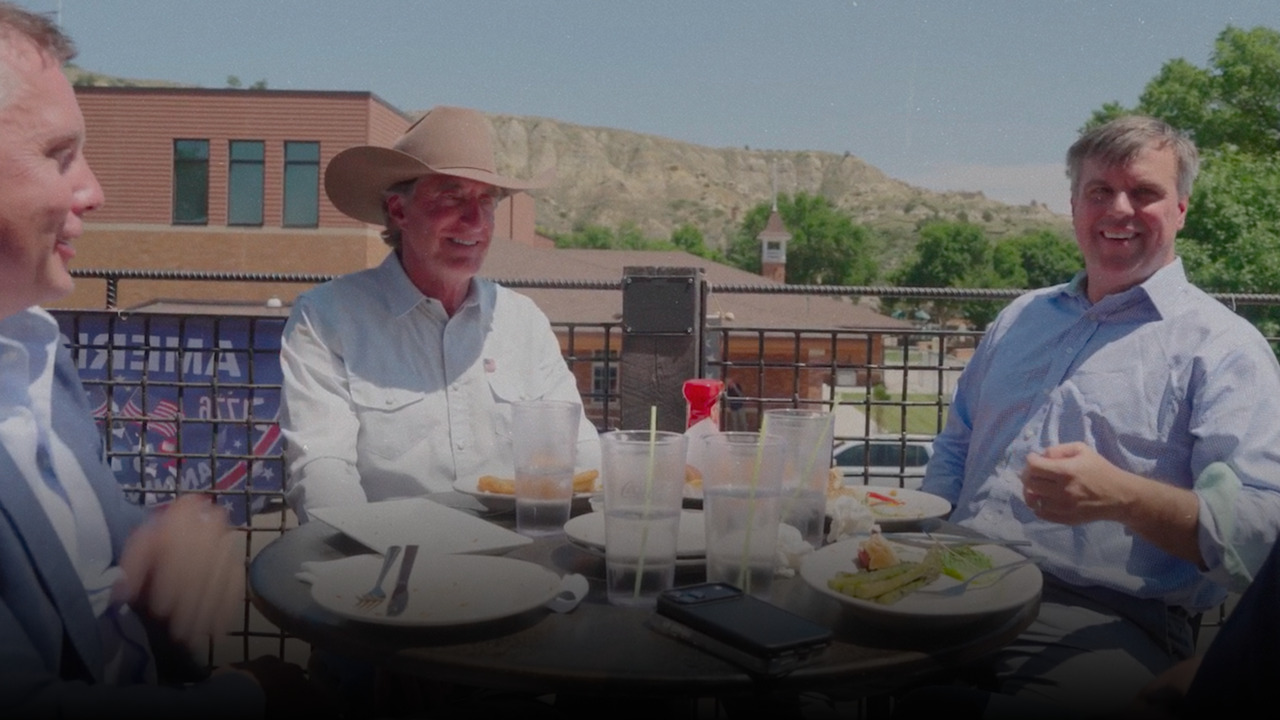
In a unique blend of culinary diplomacy and historical discussion, North Dakota's political leaders recently gathered to chew over not just bison burgers but also the legacies of two towering figures in American politics: Donald Trump and Theodore Roosevelt. The event, aimed at fostering dialogue on current and historical leadership, took place at a scenic locale aptly named "The Roosevelt Grill," known for its locally sourced bison burgers and rustic charm.
The gathering saw a mix of state legislators, local historians, and political analysts engaging in spirited discussions. The central theme revolved around comparing the contrasting leadership styles and policies of the 26th and 45th Presidents of the United States. Theodore Roosevelt, a revered figure in North Dakota for his conservation efforts and the establishment of the National Park Service, was juxtaposed against the more recent and tumultuous presidency of Donald Trump.
Attendees delved into Roosevelt's progressive policies, which laid the groundwork for modern environmentalism, and debated how his vision of leadership aligned or contrasted with Trump's approach, which often sparked significant division on issues such as climate change and national security. The discussions also touched upon Roosevelt’s "Square Deal," reflecting on its principles of fairness, which some attendees argued were at times echoed in Trump's promises to revive American industries and jobs.
The event was not just a session of historical analysis but also a platform for leaders to outline visions for the future. "Today, as we discuss these two contrasting figures over a meal that itself is deeply rooted in American tradition, we are reminded of the enduring nature of leadership and its impact," stated one of the state senators present. The senator highlighted the importance of understanding different presidential legacies to better navigate the future political landscape.
Moreover, the choice of bison burgers was symbolic, representing a nod to Roosevelt’s conservation legacy and the ongoing efforts in North Dakota to preserve natural habitats and wildlife. The meal underscored the state's commitment to sustainability and its historical ties to both the land and the figure of Roosevelt.
As the evening wound down, participants reflected on the insights gained and the importance of such discussions in fostering a deeper understanding of American history and its relevance to current political challenges. The consensus was clear: while the past might offer valuable lessons, the future holds the key to applying these lessons effectively.
The event at The Roosevelt Grill not only served as a reminder of North Dakota's rich political heritage but also as a testament to the power of dialogue in shaping thoughtful leadership for tomorrow.