August 6, 2026
Dasha Burns Challenges Mike Johnson on Key Issues: Economy, Iran, and Trump’s Policies
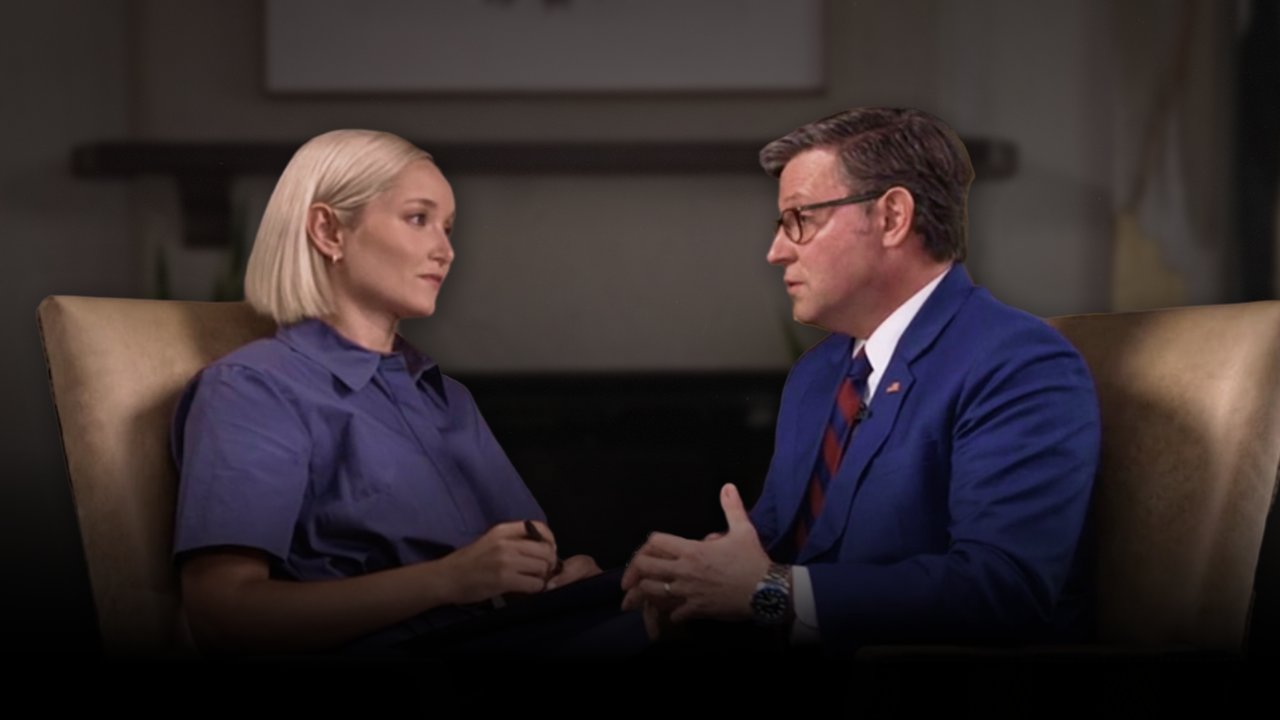
In a compelling interview, journalist Dasha Burns confronted Representative Mike Johnson on a range of pressing issues, from the state of the U.S. economy to foreign policy dynamics with Iran, and the lingering influence of former President Donald Trump’s agenda. The discussion, which aired yesterday, highlighted critical concerns and differing perspectives as the nation grapples with economic recovery and international tensions.
Burns, known for her incisive questioning, did not hold back as she pressed Johnson on the current economic strategies being implemented by the government. She pointedly asked about the measures the congressman supported to foster economic stability and growth, especially in the wake of the pandemic-induced downturn. Johnson emphasized the need for reduced regulatory burdens and tax incentives to stimulate business investments and consumer spending.
The conversation took a sharp turn to foreign policy, specifically America's strategy on Iran. Burns queried Johnson on his views regarding the administration's approach to Iran's nuclear ambitions and regional influence. Johnson articulated a firm stance, advocating for a robust and clear-eyed strategy that prioritizes global security and the interests of U.S. allies in the Middle East.
Another significant portion of the interview dealt with Donald Trump's lasting impact on the Republican Party and his potential agenda if he were to run and be re-elected. Burns challenged Johnson on how the party reconciles the controversies surrounding Trump with the policies that resonate with their voter base. Johnson acknowledged the complex dynamics at play but reaffirmed his commitment to the principles that he believes are at the core of the party’s ideology.
This interview comes at a time when the nation faces pivotal decisions on economic policies, international relations, and political leadership. Burns’ probing questions not only shed light on Johnson’s positions but also reflected broader questions and concerns that are likely on the minds of many Americans today. As the political landscape continues to evolve, these discussions are essential in shaping public understanding and guiding voter decisions.